
Best Pearl Farming Training in India
Who Provides the Best Pearl Farming Training in India? The Complete 2026 Guide to Choosing the Right Institute
If you have ever searched "Who provides the best pearl farming training in India?", you are not alone.
Thousands of farmers, students, entrepreneurs, and business owners ask this same question every month. They want to know where they can learn pearl farming from experts, avoid costly mistakes, and build a profitable business.
But there is one problem.
Almost every training center claims to be the best.
So, how do you know which one is right?
This guide will help you understand exactly what makes a good pearl farming training program, how to compare different institutes, what questions to ask before paying any fee, and how to choose a trainer who matches your goals.
Whether you are a beginner or planning a commercial pearl farming business, this guide will help you make an informed decision.
Why Pearl Farming Is Becoming So Popular in India
Pearl farming is no longer an unknown business.
Over the last few years, more farmers have started exploring it because pearls are a high-value product that can be grown in freshwater systems when proper techniques are followed.
Government organizations, research institutes, and private trainers have also increased awareness through workshops and practical demonstrations.
People are interested because pearl farming offers:
A unique farming business
High-value products
Opportunities for value-added jewelry
Scope for agri-tourism
Integration with fish farming in some cases
However, pearl farming is also a technical business.
Without proper training, beginners often make expensive mistakes.
Why Training Matters More Than Investment
Many people think success depends on money.
Actually, success depends much more on knowledge.
For example:
Imagine two farmers.
Farmer A invests ₹2 lakh but has no technical knowledge.
Farmer B invests ₹80,000 but learns from experienced trainers first.
Who has a better chance of success?
Usually, Farmer B.
Because pearl farming includes technical work like:
Oyster handling
Water quality management
Surgical implantation
Disease prevention
Farm maintenance
Harvest timing
Pearl grading
Marketing
These are skills that require practical learning.
What Does "Best Pearl Farming Training" Really Mean?
The best institute is not simply the one with the biggest advertisement.
A quality training program should provide:
Practical Training
Students should actually see:
Live oysters
Surgical process
Pond or tank management
Daily maintenance
Hands-on learning is usually far more valuable than classroom lectures alone.
Experienced Trainers
Choose trainers who have real farming experience.
Ask questions like:
How long have they been involved in pearl farming?
Do they operate their own farm?
Have they trained other farmers successfully?
Experience matters because real farms face real challenges.
Complete Business Knowledge
Good training should cover much more than pearl production.
It should include:
Farm setup
Equipment
Oyster sourcing
Water management
Harvesting
Grading
Marketing
Risk management
Cost estimation
Post-Training Support
Many beginners need guidance after returning home.
A quality institute often provides:
Technical support
Follow-up guidance
Problem solving
Updates about new practices
Ongoing support can be valuable during the first production cycle.
Government vs Private Pearl Farming Training
Many people ask this question.
Government Training
Government institutions focus on scientific methods.
One of the best-known organizations is ICAR-CIFA (Central Institute of Freshwater Aquaculture), which conducts structured freshwater pearl farming entrepreneurship programs as part of its training calendar. (CIFA)
Advantages include:
Scientific curriculum
Experienced researchers
Standardized techniques
Institutional credibility
Limitations may include:
Fixed schedules
Limited seats
Less personalized business mentoring
Private Training Institutes
Private institutes vary widely.
Some provide excellent hands-on practical learning.
Others focus mainly on theory.
Before enrolling, always verify:
Farm facilities
Practical sessions
Trainer experience
Student reviews
Support after training
How to Compare Different Pearl Farming Institutes
Instead of asking,
"Which institute is best?"
Ask these questions.
Do they teach live surgery?
Can students practice?
Is the farm operational?
Do they explain water testing?
Do they discuss risks honestly?
Do they explain marketing?
Do they discuss costs realistically?
Is there support after training?
The answers to these questions usually tell you much more than advertisements.
Questions You Should Ask Before Joining Any Training
Before paying any fee, ask:
How many practical sessions are included?
How many students are in one batch?
Will I get printed study material?
Is there any certification?
What equipment will I learn to use?
Can beginners join?
Is accommodation available?
Is technical support available after training?
These questions help you compare programs fairly.
Can You Learn Pearl Farming Online?
Yes—but with limitations.
Online learning is useful for understanding:
Business concepts
Farm planning
Cost calculations
Marketing
Basic theory
However, practical skills such as oyster surgery are much easier to learn through supervised, hands-on training.
Many institutes therefore combine online learning with offline practical sessions.
Common Mistakes Beginners Make
Many new farmers rush into pearl farming without proper preparation.
Common mistakes include:
Buying oysters without planning
Ignoring water quality
Believing unrealistic income claims
Choosing training based only on price
Not understanding the production timeline
Skipping practical learning
Avoiding these mistakes can save both time and money.
Section 2: How to Choose the Right Pearl Farming Training Provider in India
By now, you know why training is important.
Now comes the bigger question.
Which pearl farming training provider should you choose?
The answer depends on your goals, budget, and the type of learning experience you want.
Let's look at the different options.
1. Government Institutes
Government institutes are a great choice if your main goal is to learn the science behind pearl farming.
These programs are usually designed by researchers and aquaculture experts. They explain oyster biology, water quality management, pearl production techniques, and scientific farming practices.
Government training is ideal if you want:
Research-based knowledge
Standard farming techniques
Learning from scientists
A recognized training program
However, government programs often have fixed schedules, limited seats, and may not provide personalized business guidance after the training.
2. Private Pearl Farming Training Centers
Private institutes focus more on practical learning.
Many allow students to visit a working farm, observe live demonstrations, ask questions directly, and understand the day-to-day management of pearl farming.
Some private trainers also provide:
Business planning
Farm setup guidance
Marketing ideas
Technical support after training
WhatsApp support groups
Farm visits
The quality of private training can vary significantly, so always research before enrolling.
What Makes a Great Pearl Farming Trainer?
A good trainer should have real experience—not just theory.
Before joining any program, ask questions such as:
Does the trainer operate an actual pearl farm?
How many years of practical experience do they have?
Can they show successful projects or student outcomes?
Will you receive hands-on practice?
Is support available after the training?
The answers to these questions often tell you more than any advertisement.
Example of a Practical Training Provider
One example of a private training provider is Amit Bamoriya, founder of Bamoriya Pearl Farm & Training Center in Madhya Pradesh.
The training is designed to help beginners understand both the technical and business sides of pearl farming through practical demonstrations at a working farm.
The program generally focuses on topics such as:
Freshwater pearl farming fundamentals
Oyster selection and care
Water quality management
Pearl implantation overview
Farm planning
Risk management
Marketing strategies
Business opportunities in pearl farming
When comparing any private training provider—including Amit K. Bamoriya or others—it is a good idea to speak with previous participants, understand exactly what is included, and make sure the program matches your learning goals.
Questions You Should Ask Before Paying Any Training Fee
Always ask these questions first.
Is the training practical?
Watching videos is helpful.
Actually working with oysters is much better.
Is the farm currently operational?
A working farm gives you the opportunity to see real-world farming conditions.
Will I receive support after training?
Beginners often need guidance after returning home.
Continued support can make the learning process easier.
Are all costs explained clearly?
A trustworthy trainer should explain:
Training fee
Equipment needed
Approximate farm setup costs
Ongoing maintenance expenses
Clear information helps you plan your investment.
Warning Signs to Watch For
Be careful if someone promises:
Guaranteed income
Guaranteed profits
Guaranteed pearl quality
"Become a millionaire in a few months"
Zero risk
Agriculture always involves variables such as water quality, management, weather, and market conditions.
A responsible trainer explains both opportunities and challenges.
What Should a Complete Pearl Farming Course Include?
A comprehensive training program should cover:
Theory
Introduction to pearl farming
Oyster biology
Types of pearls
Freshwater pearl farming
Practical Sessions
Oyster handling
Water testing
Farm maintenance
Pearl implantation demonstration
Harvesting process
Business Training
Farm planning
Cost estimation
Marketing
Value addition
Customer development
After-Training Guidance
Technical support
Problem-solving assistance
Updates on best practices
How to Compare Training Programs
Instead of choosing the cheapest program, compare these factors:
Feature
Good Training Program
Practical sessions
Yes
Live farm visit
Yes
Experienced trainer
Yes
Business guidance
Yes
Technical support
Yes
Transparent information
Yes
Realistic expectations
Yes
Frequently Asked Questions
Can beginners join pearl farming training?
Yes. Most quality training programs are designed for beginners and do not require prior experience.
Is practical training necessary?
Hands-on practice is highly recommended because pearl farming involves technical procedures that are easier to understand in person.
How long does training usually last?
The duration varies by provider. Some courses are one or two days, while others are more extensive and include follow-up support.
Can I start with a small farm?
Many people begin on a small scale to gain experience before expanding their operations.
Key Takeaways
When selecting a pearl farming training provider:
Compare quality, not just price.
Choose practical learning over theory alone.
Verify the trainer's experience.
Visit the farm if possible.
Ask about post-training support.
Avoid unrealistic promises.
Look for transparent communication and a structured curriculum.
Making an informed decision today can help you build a stronger foundation for your pearl farming journey.
Section 3: Your Step-by-Step Roadmap to Start Pearl Farming Successfully
Now you know how to choose the right training provider.
The next step is turning your knowledge into action.
Starting a pearl farming business may seem difficult at first. But if you learn the right techniques, plan carefully, and stay patient, you can build a rewarding farming enterprise over time.
Let's walk through the process step by step.
Step 1: Learn Before You Invest
The biggest mistake beginners make is investing first and learning later.
A better approach is to:
Understand how pearl farming works.
Learn about freshwater oysters.
Visit a working pearl farm if possible.
Attend practical training.
Talk to experienced farmers.
Good knowledge helps you make better decisions and avoid costly mistakes.
Step 2: Prepare Your Farm
Depending on your business plan, pearl farming can be carried out using ponds or specially designed tanks.
Before starting, make sure you have:
A suitable water source
Good water quality
Reliable electricity (if required)
Proper security
Easy access for daily monitoring
Planning your infrastructure in advance makes farm management much easier.
Step 3: Source Healthy Oysters
Healthy oysters are the foundation of successful pearl farming.
When selecting oysters, pay attention to:
Healthy appearance
Proper size
Active condition
Reliable supplier
Avoid purchasing oysters from unknown or unverified sources.
Step 4: Learn the Technical Process
Pearl farming is a skilled activity.
Technical work includes:
Oyster preparation
Implantation procedure
Recovery and care
Water quality monitoring
Regular health checks
These techniques should be learned through proper practical training.
Step 5: Monitor Your Farm Regularly
Successful farmers don't simply set up a farm and wait.
They inspect their farm regularly.
Daily observations help identify issues before they become major problems.
Keep records of:
Water quality
Oyster condition
Maintenance activities
Growth observations
Good record-keeping helps improve future decisions.
Step 6: Harvest Carefully
Harvesting is one of the most exciting stages.
Proper harvesting techniques help protect pearl quality.
After harvesting, pearls are generally:
Cleaned
Graded
Sorted
Packed
Higher-quality pearls often have better market value.
Step 7: Build Your Market
Many beginners focus only on production.
Successful entrepreneurs think about marketing from day one.
Possible sales channels include:
Jewelry manufacturers
Local jewelers
Craft businesses
Online marketplaces
Direct customers
Agricultural exhibitions
Adding value through jewelry or decorative products may increase business opportunities.
Common Mistakes New Pearl Farmers Should Avoid
Many problems can be prevented with proper planning.
Avoid these common mistakes:
Starting without training
Buying poor-quality oysters
Ignoring water quality
Expecting instant profits
Following unverified advice
Keeping no farm records
Skipping regular monitoring
Learning from others' mistakes can save both time and money.
Frequently Asked Questions
Is pearl farming suitable for beginners?
Yes. Many people start without prior experience, but practical training is highly recommended before investing.
How much land is needed?
The space required depends on the farming method and production scale. Some farmers begin with small pilot projects before expanding.
Can pearl farming be combined with fish farming?
In some systems, freshwater pearl farming can be integrated with fish culture. The design should be planned carefully based on technical guidance.
How long does it take to produce pearls?
The production cycle varies depending on farming methods, oyster species, management practices, and environmental conditions.
Is pearl farming profitable?
Profit depends on many factors, including:
Technical knowledge
Oyster survival
Farm management
Pearl quality
Market demand
Operating costs
There is no guaranteed income, and results vary from farm to farm.
How to Choose a Training Institute with Confidence
Before enrolling anywhere, use this simple checklist:
✅ Practical training available
✅ Working pearl farm
✅ Experienced trainer
✅ Clear course curriculum
✅ Transparent fees
✅ Technical support after training
✅ Realistic expectations
✅ Positive learner feedback
If most of these boxes are checked, you're likely looking at a well-structured training program.
About Amit K. Bamoriya and Bamoriya Pearl Farm & Training Center
If you're looking for practical, hands-on exposure, Amit K. Bamoriya, founder of Bamoriya Pearl Farm & Training Center in Madhya Pradesh, is one of the private trainers offering pearl farming education focused on real farm experience.
The training is designed to help participants understand both the technical and business aspects of pearl farming through demonstrations at a working farm.
Depending on the program, participants may learn about:
Freshwater pearl farming basics
Farm planning
Oyster management
Water quality
Practical demonstrations
Business planning
Marketing concepts
Ongoing technical guidance
As with any training provider, prospective students should review the course details, speak with previous participants where possible, and choose the program that best fits their needs.
Final Thoughts
Pearl farming is an exciting opportunity for people who enjoy learning, planning, and building a long-term agricultural business.
Success does not come from shortcuts.
It comes from:
Learning from experienced trainers
Following scientific methods
Managing the farm consistently
Staying patient throughout the production cycle
Continuing to improve your skills
Whether you choose a government institution or a private training provider, invest in quality education before investing heavily in infrastructure.
The right training can help you avoid common mistakes and build a stronger foundation for your farming journey.
Quick Summary
Practical training is more valuable than theory alone.
Compare training providers carefully before enrolling.
Visit a working farm whenever possible.
Learn the complete business process—not just production.
Keep realistic expectations and plan for long-term success.
Continue learning as new techniques and market opportunities develop.
Ready to Learn More?
If you would like practical exposure to pearl farming and want to understand how a commercial pearl farm operates, you can explore the training programs offered by Amit Bamoriya at Bamoriya Pearl Farm & Training Center.
Before enrolling in any program, review the curriculum, ask questions, and choose the training that best matches your goals and experience level. An informed decision today can make a meaningful difference in your farming journey tomorrow. 91-9893232938
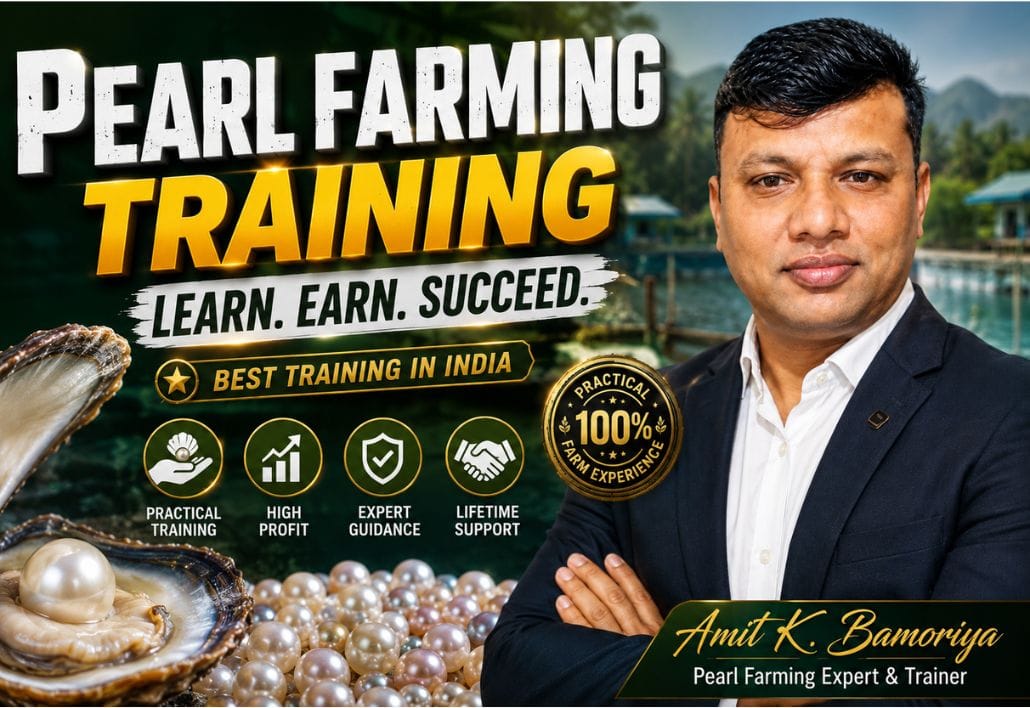

ABOUT AMIT BAMORIYA
From Farmer to Agri-Entrepreneur — Helping Farmers Build Profitable Businesses.
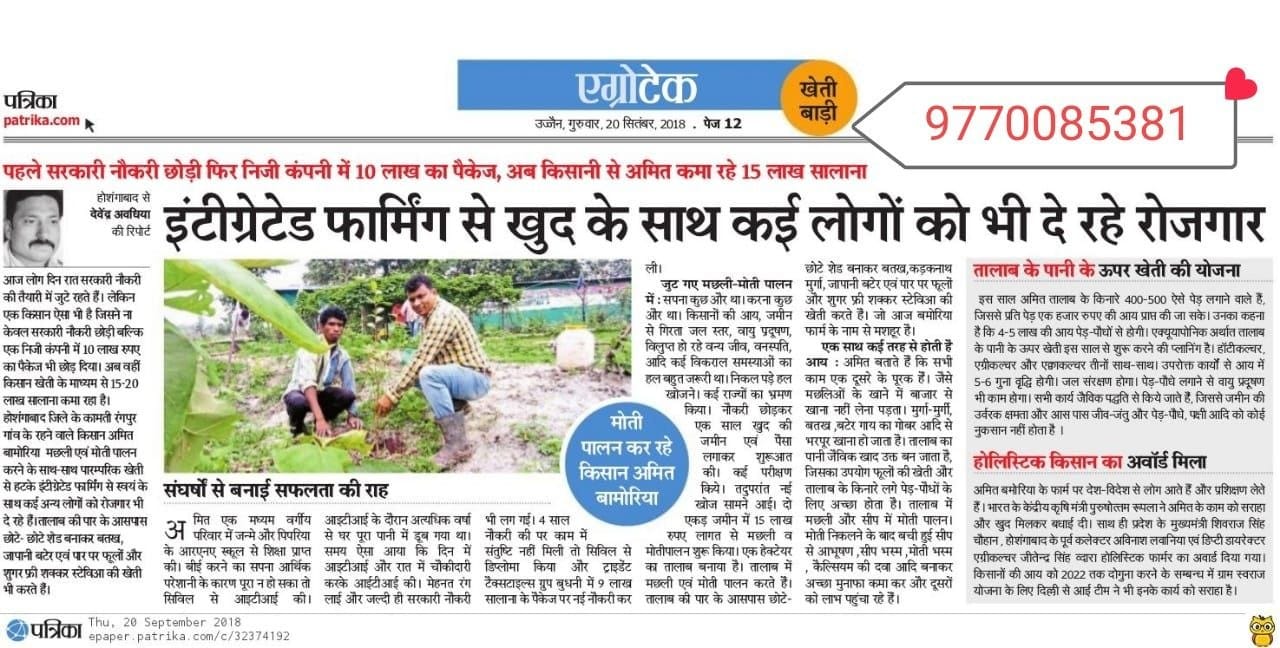
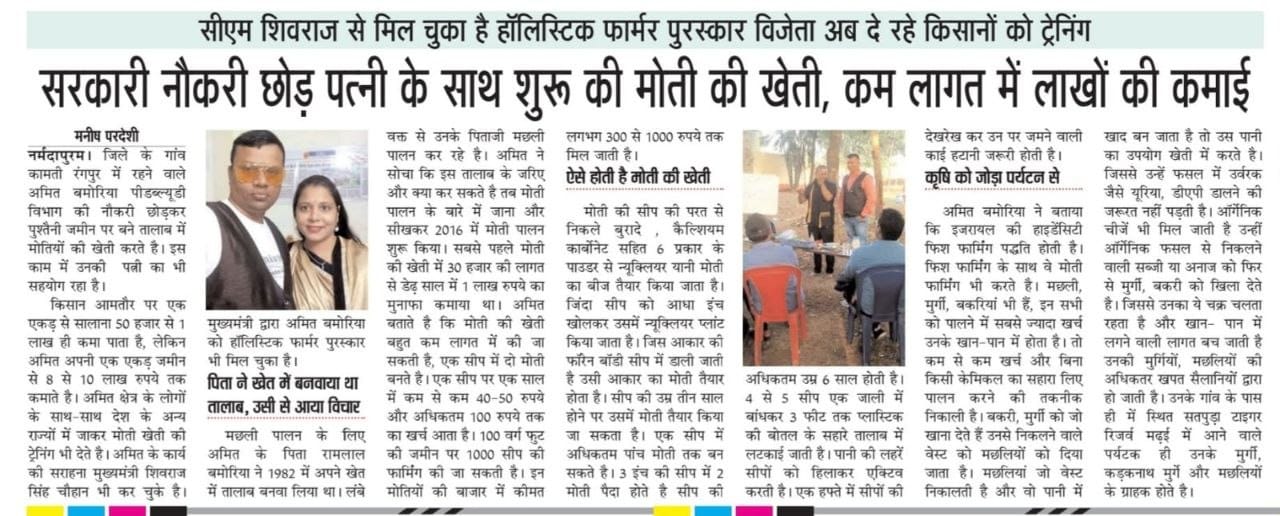
Amit K. Bamoriya is an award-winning farming entrepreneur and the founder of Bamoriya Pearl Farm. Over the years, he has trained and guided farmers across India in Pearl Farming, Mushroom Farming, and modern income-generating agricultural models.
His mission is simple: help farmers create multiple sources of income, reduce dependence on traditional farming, and build successful agribusinesses.
Through his practical training programs, farmers learn step-by-step techniques, business models, marketing strategies, and real-world implementation methods that can help them start and scale profitable farming ventures.
If you are serious about increasing your farm income and building a successful farming business, Amit's training programs can provide the knowledge, guidance, and support you need.
✅ Practical Training
✅ Business-Oriented Approach
✅ Step-by-Step Guidance
✅ Ongoing Support
📞 Join the Training Program: 9893232938
CTA Button
Author bio के नीचे एक बटन लगाएं:
🚀 Join My Training Program
🌾 Start Your Farming Business Today
2026 की 5 HiTech Kheti जिनसे किसान अतिरिक्त आय शुरू कर रहे हैं
लागत, कमाई, मार्केटिंग, बिजनेस प्लान और Implementation Guide एक ही जगह।
Aapko Kya Milega?
✅ "Step-by-Step Implementation Plan"
✅ "Business Planning Templates"
✅ "₹2500+ Bonus Books Included"
✅ "Lifetime Access"
✅ "WhatsApp Community Support"
📘 2026 की 5 HiTech Kheti Free Guide
कमरे के अंदर होने वाली 5 आधुनिक खेती और 2026 की 5 हाई प्रॉफिट खेती की पूरी जानकारी प्राप्त करें। लागत, कमाई, आवश्यक जगह और शुरुआत कैसे करें – सब कुछ एक ही गाइड में।
📱 WhatsApp पर फ्री गाइड प्राप्त करें
फ्री गाइड, नई खेती की जानकारी, वीडियो अपडेट, ट्रेनिंग सूचना और विशेष ऑफर सीधे WhatsApp पर प्राप्त करें। अभी जुड़ें और अपडेट सबसे पहले पाएं।
🚀 HiTech Farmer Club Lifetime Membership
Lifetime Training Videos, Premium Guides, Business Planning, Subsidy Updates, Expert Support, Farming Community और कई विशेष लाभ एक ही सदस्यता में प्राप्त करें।
Bonus: HiTech Farmer Club Join करने पर ₹2,500+ मूल्य की Premium Amazon Farming Books FREE प्राप्त करें।
eBooks on Amazon
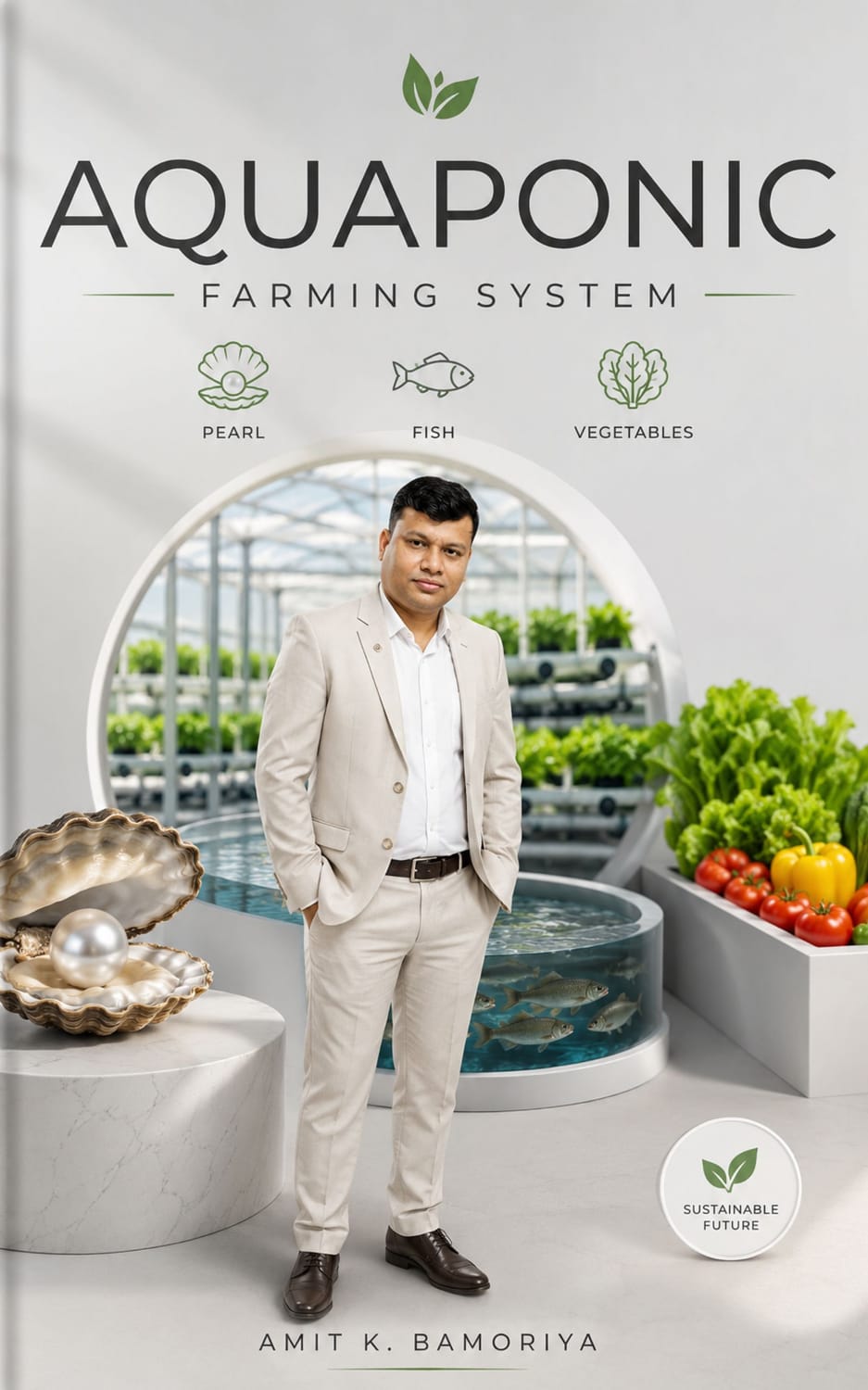
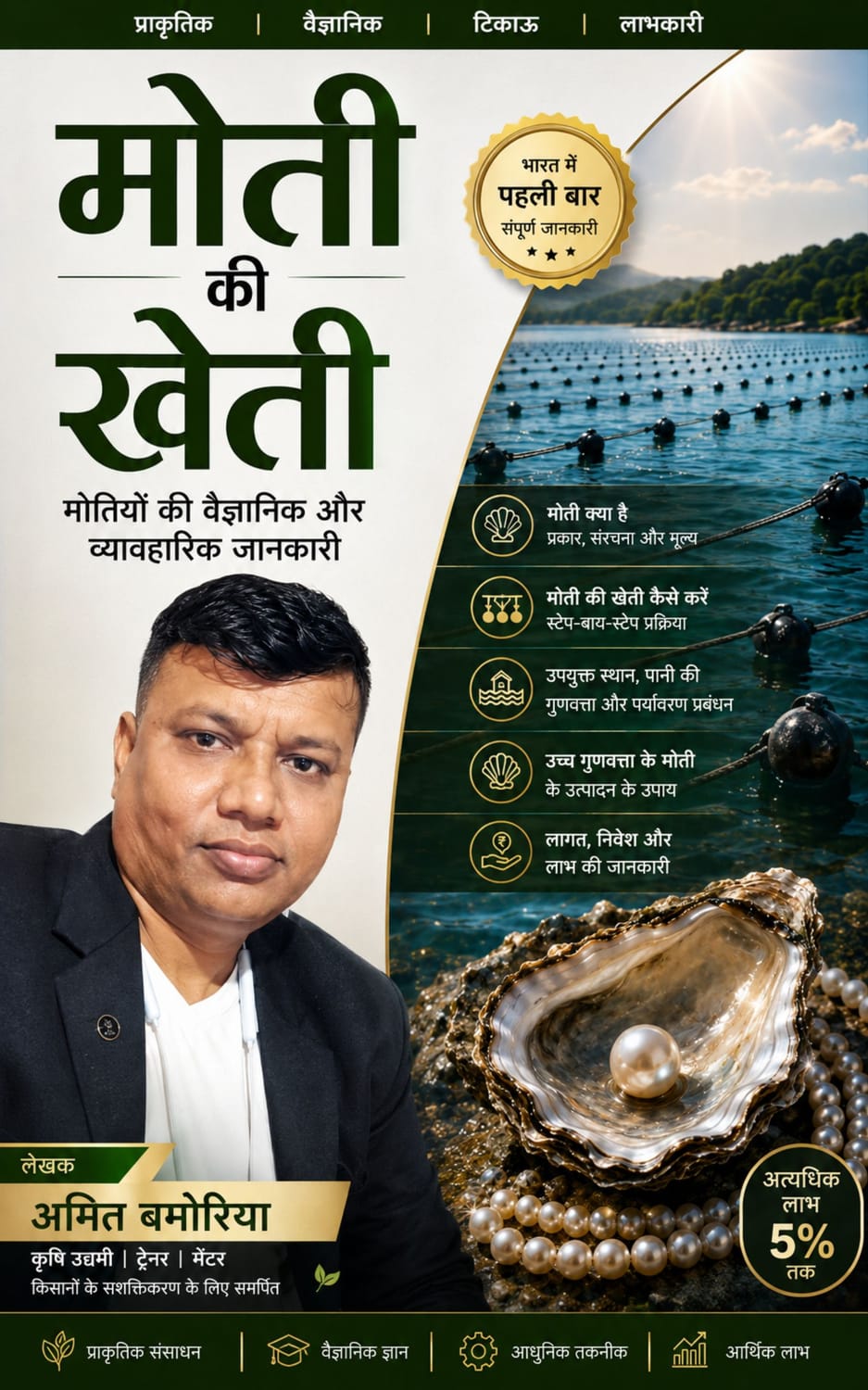
Bonus: HiTech Farmer Club Join करने पर ₹2,500+ मूल्य की Premium Amazon Farming Books FREE प्राप्त करें।

Bamoriya Pearl Farm
भारत के किसानों को मोती खेती, मशरूम खेती और आधुनिक कृषि तकनीकों के माध्यम से आत्मनिर्भर और सफल कृषि-उद्यमी बनाने का हमारा मिशन है।
📞 9893232938
📧 info@learningadda.com

Created with © systeme.io