
Pearl Farming Cost in India Complete Investment Guide 2026
Pearl Farming Cost in India (2026): The Complete Guide That Saves You from Costly Mistakes
Meta Title: Pearl Farming Cost in India 2026 – Complete Investment & Expense Guide
Meta Description: Want to know how much pearl farming costs in India? Learn the complete investment, setup cost, training, equipment, maintenance, and profit potential with this beginner-friendly guide.
Pearl Farming Cost in India: How Much Money Do You Really Need to Start?
Have you ever wondered if pearl farming is only for rich people?
The answer may surprise you.
Many people think pearl farming needs lakhs of rupees. But that is not always true. The real cost depends on how many oysters you start with, the size of your farm, and your business goal.
Some people begin with a small training project. Others build a commercial pearl farm.
So, how much does pearl farming really cost in India?
In this guide, you will learn everything in simple words.
We will cover:
Total investment
Setup cost
Equipment
Oysters
Pond or tank expenses
Hidden costs
Money-saving tips
Who should start pearl farming
Let's begin.
What Is Pearl Farming?
Pearl farming is the process of growing pearls inside live oysters.
A trained technician carefully places a small nucleus inside an oyster. The oyster slowly forms a pearl around it.
This process usually takes 12 to 18 months, depending on the oyster species, water quality, and farm management.
Today, pearl farming is becoming popular because pearls are used in:
Jewelry
Fashion
Religious products
Gifts
Decorative items
As demand grows, many farmers are exploring pearl farming as an additional source of income.
Why Are So Many People Interested in Pearl Farming?
There are several reasons.
Low Land Requirement
You do not always need a huge farm.
Many people start with:
A small pond
A rented pond
A cement tank
A lined farm pond
Growing Demand
Pearls are valuable products.
Good-quality pearls are used in:
Necklaces
Rings
Earrings
Bracelets
Luxury handicrafts
Can Be Combined with Fish Farming
Many farmers combine pearl farming with fish farming.
This helps use the same water body more efficiently.
Suitable for Beginners
After proper training, beginners can also start pearl farming on a small scale.
Learning the correct techniques is very important because oysters are living animals and require proper care.
How Much Does Pearl Farming Cost?
Now let's answer the biggest question.
There is no single investment amount.
The cost depends on:
Number of oysters
Farm size
Existing pond availability
Equipment quality
Labor
Training
Water management
Let's understand each expense.
Cost of Training
Before buying oysters, invest in knowledge.
Training helps you avoid expensive mistakes.
A good training program generally covers:
Oyster handling
Surgery process
Water quality
Feeding
Disease management
Harvesting
Marketing
Training fees vary depending on the institute and course duration.
Think of training as an investment, not an expense.
Cost of Oysters
Oysters are the heart of your pearl farm.
The total oyster cost depends on:
Species
Size
Supplier
Quantity
Transportation
Buying healthy oysters from trusted suppliers is extremely important.
Cheap oysters may lead to higher losses later.
Pond or Tank Cost
If you already own a pond, your investment becomes much lower.
If not, you may choose:
Existing Farm Pond
Lowest investment.
Cement Tank
Easy to manage.
Suitable for beginners.
HDPE Lined Pond
Popular among new farmers.
Earthen Pond
Good if proper water quality is maintained.
Equipment Needed
A pearl farm requires several basic tools.
These include:
Nets
Buckets
Water testing kit
Oyster baskets
Rope
Floats
Gloves
Cleaning brushes
Measuring tools
Buying quality equipment once often reduces maintenance costs later.
Water Quality Management
Water is one of the most important parts of pearl farming.
Poor water quality can reduce oyster survival.
Regular testing helps monitor:
pH
Dissolved oxygen
Temperature
Water clarity
Keeping water clean improves pearl quality.
Labor Cost
Small farms can often be managed by family members.
Larger farms may require workers for:
Cleaning
Monitoring
Maintenance
Harvesting
Record keeping
Labor expenses depend on farm size.
Transportation Cost
Many beginners forget this expense.
Transportation includes:
Bringing oysters
Equipment delivery
Packaging materials
Market transportation
Always include transport in your budget.
Electricity Cost
If your farm uses:
Pumps
Aerators
Lighting
Water circulation
Electricity becomes a recurring expense.
Energy-efficient equipment can reduce monthly costs.
Maintenance Cost
Pearl farming requires regular maintenance.
Routine work includes:
Cleaning oyster cages
Removing algae
Checking ropes
Inspecting oysters
Water testing
Ignoring maintenance often increases losses.
Medicine and Water Treatment
Healthy oysters grow better.
Depending on water conditions, you may occasionally spend money on:
Water conditioners
Mineral supplements
Cleaning agents
Use only recommended products.
Packaging Cost
If you sell pearls directly, you may also spend on:
Boxes
Labels
Branding
Storage
Shipping materials
Good packaging improves customer trust.
Hidden Costs Most Beginners Ignore
Many new farmers only calculate the price of oysters.
But successful farmers also plan for:
Training
Travel
Water testing
Maintenance
Replacement oysters
Insurance (if available)
Record keeping
Marketing
Planning these expenses helps avoid surprises later.
Example Budget Planning
Instead of copying someone else's investment, create your own budget.
Ask yourself:
Do I already have a pond?
Will I work myself?
Do I need hired labor?
Where will I buy oysters?
Who will buy my pearls?
The answers determine your real investment.
Ways to Reduce Pearl Farming Cost
Here are smart ways to save money.
Start Small
Learn first.
Expand later.
Use Existing Water Resources
If you already have a pond, use it.
Buy Quality Equipment
Cheap tools often cost more over time.
Learn Before Investing
Knowledge reduces mistakes.
Keep Records
Track every expense.
This helps improve profits.
Is Pearl Farming Expensive?
Not necessarily.
For many people, the biggest expense is actually lack of knowledge.
A farmer who understands:
water management,
oyster care,
disease prevention,
and marketing
often performs much better than someone who simply spends more money.
In the next part, we will look at:
expected profits,
return on investment (ROI),
common financial mistakes,
government support,
and how to calculate whether pearl farming is worth your investment.
Pearl Farming Cost in India (2026) – Part 2: Profit, ROI, Risks, Hidden Costs & Smart Budget Planning
In Part 1, we learned what pearl farming is and where your money goes when you start a pearl farm.
Now let's answer the questions every beginner asks:
How much profit can you make?
Is pearl farming really profitable?
How long does it take to recover your investment?
What are the biggest risks?
How can you reduce your costs and increase your chances of success?
Let's dive in.
Is Pearl Farming Profitable?
Yes, pearl farming can be profitable when it is managed correctly.
However, it is important to understand that pearl farming is not a guaranteed income business. Like fish farming, dairy farming, or mushroom farming, your results depend on:
Oyster health
Water quality
Proper surgical technique (for cultured pearls)
Farm management
Survival rate
Pearl quality
Market demand
Selling price
The farmers who succeed usually focus on quality, patience, and continuous learning rather than expecting quick profits.
How Long Does It Take to Earn Money?
Pearl farming is a long-term agricultural business.
In most freshwater pearl farming systems, pearls are harvested after about 12–18 months, depending on the farming method and environmental conditions.
This means you should be prepared for a waiting period before earning revenue from pearl sales.
Because of this timeline, many farmers combine pearl farming with:
Fish farming
Vegetable cultivation
Mushroom farming
Duck farming
Aquaponics
This helps generate income while the pearls are developing.
What Affects Your Profit?
Many beginners think profit depends only on the number of oysters.
Actually, several factors matter.
1. Oyster Survival Rate
Healthy oysters are the foundation of a successful pearl farm.
Higher survival rates generally improve production potential.
Good survival depends on:
Clean water
Proper handling
Correct stocking density
Regular monitoring
Timely maintenance
2. Pearl Quality
Not every pearl has the same value.
The market price often depends on factors such as:
Shape
Size
Surface quality
Luster
Color
Overall appearance
Better-quality pearls usually attract higher prices.
3. Water Quality
Water is one of your most valuable assets.
Regular monitoring of:
pH
Temperature
Dissolved oxygen
Water cleanliness
helps reduce stress on oysters and supports healthy growth.
4. Farm Management
Successful farmers follow a routine.
They inspect their farm regularly, maintain equipment, and keep detailed records.
Small improvements over time often lead to better long-term results.
Common Costs During the Farming Cycle
Even after setting up your farm, there are recurring expenses.
These may include:
Water quality testing
Cleaning cages or baskets
Rope replacement
Basket maintenance
Equipment repairs
Transportation
Labor
Electricity
Packaging
Farm monitoring
Planning for these recurring costs makes budgeting easier.
Hidden Costs Beginners Often Miss
Many new farmers only calculate the startup investment.
Unfortunately, they forget about ongoing expenses.
Some commonly overlooked costs include:
Travel Expenses
Visiting suppliers, training centers, or buyers.
Equipment Replacement
Some tools wear out over time.
Replacing them should be part of your annual budget.
Emergency Repairs
Storms, floods, or damaged equipment can create unexpected expenses.
Keeping an emergency fund is always a good idea.
Marketing Costs
If you plan to sell pearls directly, you may spend money on:
Photography
Packaging
Branding
Website
Social media
Advertising
These costs help you reach more customers.
What Is ROI in Pearl Farming?
ROI means Return on Investment.
It simply answers one question:
"Did my earnings justify the money I invested?"
Every pearl farmer should calculate ROI before expanding the business.
Good record keeping makes this much easier.
Simple ROI Example
Suppose you invest money in:
Setup
Oysters
Equipment
Maintenance
After harvesting, compare:
Total Income – Total Expenses
If your income is higher than your expenses, your farm has generated a positive return.
This simple calculation helps you make better business decisions.
Should You Borrow Money to Start?
Many beginners ask this question.
In general, it is wise to:
Learn first
Start small
Gain practical experience
Expand gradually
Avoid making large investments before understanding the farming process.
Growing step by step usually reduces financial risk.
How to Reduce Risk
Every farming business has risks.
Pearl farming is no different.
Fortunately, many risks can be reduced through good planning.
Here are some practical tips.
Learn Before Investing
Knowledge is your best investment.
Training helps you avoid mistakes that could cost far more than the training itself.
Buy Healthy Oysters
Choose reliable suppliers with a good reputation.
Healthy oysters improve your chances of success.
Test Water Regularly
Don't wait for problems to appear.
Routine testing helps detect issues early.
Maintain Farm Hygiene
Clean baskets, ropes, and equipment regularly.
Good hygiene supports healthier oysters.
Keep Records
Write down:
Expenses
Mortality
Water test results
Maintenance dates
Harvest details
These records help improve future production.
Mistakes That Increase Costs
Many beginners lose money because of avoidable mistakes.
Some common ones include:
Starting Too Big
Large farms require more management.
It is often better to master a small farm before expanding.
Ignoring Water Quality
Poor water conditions can affect oyster health.
Routine monitoring is essential.
Buying Cheap Equipment
Low-quality tools may fail quickly.
Investing in durable equipment often saves money over time.
No Business Plan
Without a budget, expenses can quickly get out of control.
Always prepare a financial plan before investing.
Expecting Quick Profits
Pearl farming requires patience.
Successful farmers think in years, not weeks.
Can Government Support Help?
In some regions, government departments, fisheries agencies, agricultural universities, or entrepreneurship programs may offer:
Skill training
Technical guidance
Financial assistance
Business development support
These schemes vary by state and can change over time.
Always check with your local government office before making financial decisions.
Should You Sell Raw Pearls or Value-Added Products?
Many beginners only think about selling loose pearls.
However, value addition may increase income opportunities.
Examples include:
Pearl jewelry
Customized gifts
Educational workshops
Farm visits
Training programs
Demonstration farms
Diversifying income sources can make your business more resilient.
Budget Planning Checklist
Before investing, ask yourself:
Do I have a suitable water source?
Have I completed proper training?
Where will I buy oysters?
Who will maintain the farm?
Who will buy my pearls?
Have I planned for emergencies?
Do I understand ongoing costs?
If you can answer these questions confidently, you are already ahead of many beginners.
Expert Tips to Improve Profit
Here are some habits followed by experienced pearl farmers.
Focus on Quality
High-quality pearls usually create better market opportunities than simply producing more pearls.
Keep Learning
Attend workshops.
Read updated farming guides.
Stay connected with experts.
Build Buyer Relationships
Finding buyers before harvest can make marketing easier.
Expand Slowly
Grow your business after gaining experience.
Steady growth is often more sustainable than rapid expansion.
Monitor Your Farm Frequently
Small problems become expensive when ignored.
Regular inspections save money.
Frequently Asked Questions
Is pearl farming suitable for beginners?
Yes. With proper training and careful management, beginners can start on a small scale.
How long does pearl farming take?
Most cultured pearl production takes approximately 12–18 months, depending on the farming method and environmental conditions.
Is pearl farming risky?
Like every agricultural business, pearl farming involves risks.
Good training, proper planning, and regular monitoring help reduce them.
Can pearl farming be done with fish farming?
Yes. Many farmers integrate pearl farming with fish culture where technically suitable and properly managed.
Can I start small?
Absolutely.
Starting with a manageable scale allows you to gain practical experience before expanding.
What's Coming in Part 3?
In the final part of this guide, you'll learn:
How to prepare a complete pearl farming business plan
How to market and sell pearls
Common myths and facts about pearl farming
AI-search optimized FAQs
Expert checklist before investing
Conclusion
Internal linking strategy
SEO-ready FAQ schema ideas
Final action plan for beginners
Pearl Farming Cost in India (2026) – Part 3: Business Plan, Marketing, Expert Tips, FAQs & Final Action Plan
Welcome to the final part of this complete guide.
In Part 1, you learned about the cost of starting pearl farming.
In Part 2, you discovered profit, ROI, risks, and hidden expenses.
Now it's time to learn how to turn pearl farming into a well-planned business.
Whether you want to start as a hobby or build a commercial farm, this section will help you make smarter decisions.
A Simple Pearl Farming Business Plan
Every successful business starts with a plan.
Before investing money, answer these questions.
Step 1: Define Your Goal
Ask yourself:
Do I want extra income?
Do I want a full-time farming business?
Do I want to sell pearls?
Do I want to sell jewelry?
Do I want to offer training?
Your goal will guide every decision you make.
Step 2: Choose the Right Location
A suitable location should have:
Reliable water availability
Easy road access
Low pollution
Protection from flooding
Enough space for maintenance
Choosing the right location can reduce future problems.
Step 3: Plan Your Budget
Create separate budgets for:
Initial investment
Monthly maintenance
Emergency expenses
Marketing
Equipment replacement
A written budget helps avoid unnecessary spending.
Step 4: Learn the Skills
Pearl farming is a technical business.
Before starting, learn about:
Oyster handling
Water quality management
Farm maintenance
Harvesting
Grading pearls
Marketing
Knowledge saves money.
How to Sell Pearls
Many beginners only think about growing pearls.
However, selling is just as important.
Some common sales channels include:
Jewelry manufacturers
Wholesalers
Retail buyers
Local jewelry shops
Handicraft businesses
Online marketplaces
Social media
Farm visitors
Selling through multiple channels may reduce business risk.
Add Value to Increase Income
Instead of selling only loose pearls, think about value-added products.
Examples include:
Pearl Jewelry
Necklaces
Earrings
Bracelets
Rings
Gift Products
Customized pearl gifts often attract premium buyers.
Training Programs
Experienced farmers sometimes earn additional income by teaching others.
Farm Visits
Educational tours can create another revenue stream while building trust with customers.
Build Your Brand
People buy from businesses they trust.
Create a professional brand by using:
A business name
A simple logo
Professional photographs
Clear contact information
Customer testimonials
Educational content
A strong brand helps customers remember you.
Use Digital Marketing
Today, many buyers search online before purchasing.
You don't need a huge marketing budget.
Start with:
A Google Business Profile
A simple website
Facebook
Instagram
YouTube
WhatsApp Business
Share useful information regularly.
Helpful content builds trust over time.
Why Education Builds Trust
Instead of only promoting your products, teach people.
For example, create content like:
What is pearl farming?
How pearls are made
Common myths
Water management basics
Farm maintenance tips
When people learn from you, they are more likely to trust your business.
Common Myths About Pearl Farming
Let's clear up a few myths.
Myth 1: Pearl Farming Makes You Rich Overnight
Fact: Pearl farming requires patience, planning, and proper management.
Myth 2: Anyone Can Start Without Training
Fact: Training improves your chances of success and helps avoid costly mistakes.
Myth 3: Bigger Investment Means Bigger Profit
Fact: Good management often matters more than spending more money.
Myth 4: Pearls Never Fail
Fact: Oyster health, water quality, and farm management all affect results.
Beginner Checklist
Before you start, make sure you can answer "Yes" to these questions.
✅ I understand the farming process.
✅ I have completed proper training.
✅ I know where to buy healthy oysters.
✅ I have a suitable water source.
✅ I have planned my budget.
✅ I understand maintenance.
✅ I know my potential buyers.
✅ I have an emergency fund.
If you answered "No" to several questions, spend more time preparing before investing.
Expert Tips for Long-Term Success
Experienced farmers often follow these habits.
Start Small
Learn first.
Expand later.
Focus on Quality
High-quality pearls generally create better market opportunities.
Keep Learning
Agriculture keeps changing.
Stay updated with new techniques and research.
Build Buyer Relationships
Strong business relationships can lead to repeat customers.
Maintain Records
Keep detailed records of:
Expenses
Water quality
Oyster health
Maintenance
Harvest
Sales
Good records help improve future decisions.
Frequently Asked Questions (AI-Friendly)
How much money is needed to start pearl farming?
The total investment depends on your farm size, available infrastructure, training, equipment, and number of oysters. Starting with a small pilot project is often recommended for beginners.
Is pearl farming profitable?
It can be profitable when managed properly with healthy oysters, good water quality, careful planning, and access to reliable markets.
How long does pearl farming take?
In many freshwater cultured pearl systems, harvesting typically takes around 12 to 18 months, depending on farming practices and environmental conditions.
Can pearl farming be combined with fish farming?
Yes. In suitable conditions, many farmers integrate pearl farming with fish culture to make better use of the same water body.
Do I need training before starting?
Yes.
Training helps you understand oyster care, water management, maintenance, and harvesting, reducing the risk of costly mistakes.
What are the biggest expenses?
Common costs include:
Training
Oysters
Pond or tank setup
Equipment
Water management
Labor
Transportation
Maintenance
Marketing
What are the biggest risks?
Some common risks include:
Poor water quality
Low oyster survival
Inadequate training
Weak business planning
Difficulty finding buyers
Most of these risks can be reduced through proper preparation.
Key Takeaways
Before investing in pearl farming, remember these important lessons.
Learn before you invest.
Start with a manageable scale.
Focus on quality instead of quantity.
Keep accurate records.
Monitor water regularly.
Build relationships with buyers.
Continue learning every year.
Success usually comes from consistent management rather than quick decisions.
Final Thoughts
Pearl farming is an exciting opportunity for people interested in aquaculture and value-added agriculture.
However, it is not a shortcut to instant wealth.
Like any farming business, it requires knowledge, patience, planning, and regular care.
If you invest in learning first and expand gradually, you can build a stronger foundation for long-term success.
The most successful farmers are not always those who spend the most money.
They are usually the ones who plan carefully, keep learning, and manage their farms consistently.
SEO Summary
Primary Keyword
Pearl Farming Cost in India
Secondary Keywords
Pearl Farming Investment
Pearl Farming Business
Pearl Farming Training
Cost of Pearl Farming
Pearl Farming Profit
Freshwater Pearl Farming
Pearl Farming Guide
Pearl Farming Project
Pearl Farming Business Plan
Pearl Farming for Beginners
Suggested URL Slug
/pearl-farming-cost-india
Suggested Internal Links
Complete Pearl Farming Guide
How to Start Pearl Farming
Pearl Farming Training
Pearl Farming Profit Guide
Freshwater Pearl Farming Techniques
Oyster Care Guide
Pearl Farming Business Plan
Fish Farming with Pearl Farming
Suggested External References
For the latest information on aquaculture practices, government schemes, and fisheries guidelines, refer to official resources such as:
State Fisheries Departments
ICAR Institutes
Agricultural Universities
Government entrepreneurship portals
Final Note
This three-part guide was written to answer the most common questions about "Pearl Farming Cost in India" in a clear, beginner-friendly way. It follows modern SEO principles, focuses on helpful content, and is structured for both traditional search engines and AI-powered search platforms.
If you're planning to start pearl farming, use this guide as a starting point—but always seek practical training and verify local regulations, costs, and market conditions before making financial decisions.


ABOUT AMIT BAMORIYA
From Farmer to Agri-Entrepreneur — Helping Farmers Build Profitable Businesses.
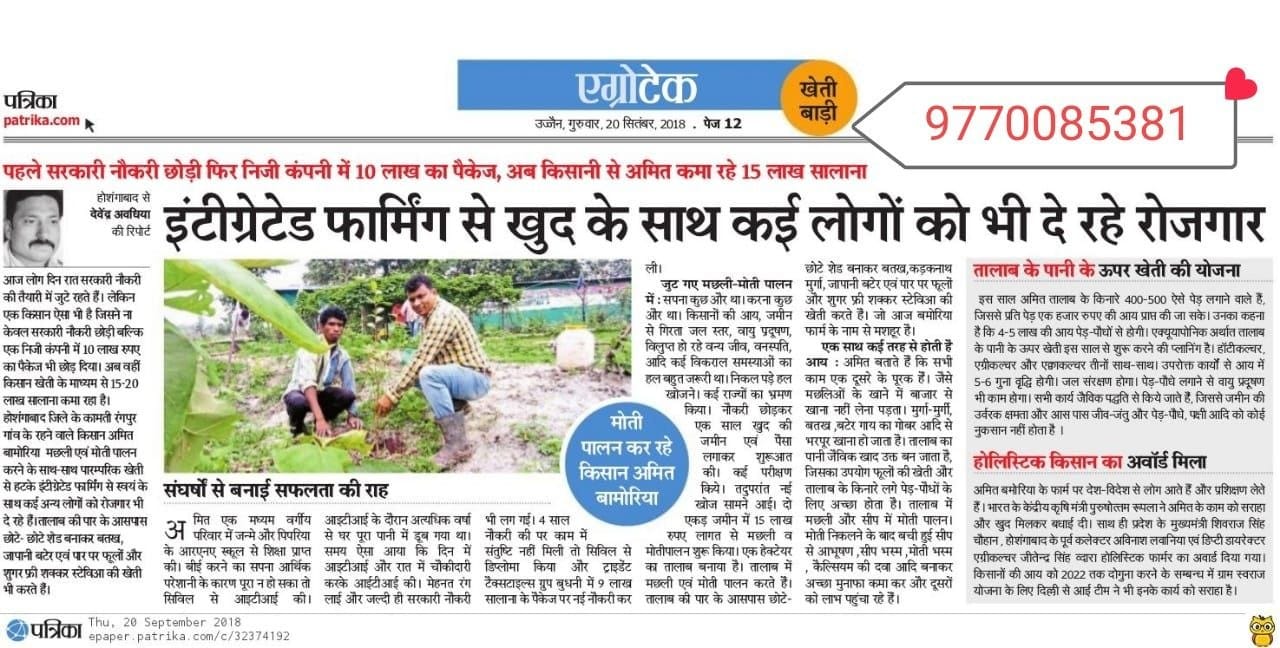
Amit K. Bamoriya is an award-winning farming entrepreneur and the founder of Bamoriya Pearl Farm. Over the years, he has trained and guided farmers across India in Pearl Farming, Mushroom Farming, and modern income-generating agricultural models.
His mission is simple: help farmers create multiple sources of income, reduce dependence on traditional farming, and build successful agribusinesses.
Through his practical training programs, farmers learn step-by-step techniques, business models, marketing strategies, and real-world implementation methods that can help them start and scale profitable farming ventures.
If you are serious about increasing your farm income and building a successful farming business, Amit's training programs can provide the knowledge, guidance, and support you need.
✅ Practical Training
✅ Business-Oriented Approach
✅ Step-by-Step Guidance
✅ Ongoing Support
📞 Join the Training Program: 9893232938
CTA Button
Author bio के नीचे एक बटन लगाएं:
🚀 Join My Training Program
🌾 Start Your Farming Business Today
2026 की 5 HiTech Kheti जिनसे किसान अतिरिक्त आय शुरू कर रहे हैं
लागत, कमाई, मार्केटिंग, बिजनेस प्लान और Implementation Guide एक ही जगह।
Aapko Kya Milega?
✅ "Step-by-Step Implementation Plan"
✅ "Business Planning Templates"
✅ "₹2500+ Bonus Books Included"
✅ "Lifetime Access"
✅ "WhatsApp Community Support"

📘 2026 की 5 HiTech Kheti Free Guide
कमरे के अंदर होने वाली 5 आधुनिक खेती और 2026 की 5 हाई प्रॉफिट खेती की पूरी जानकारी प्राप्त करें। लागत, कमाई, आवश्यक जगह और शुरुआत कैसे करें – सब कुछ एक ही गाइड में।
📱 WhatsApp पर फ्री गाइड प्राप्त करें
फ्री गाइड, नई खेती की जानकारी, वीडियो अपडेट, ट्रेनिंग सूचना और विशेष ऑफर सीधे WhatsApp पर प्राप्त करें। अभी जुड़ें और अपडेट सबसे पहले पाएं।
🚀 HiTech Farmer Club Lifetime Membership
Lifetime Training Videos, Premium Guides, Business Planning, Subsidy Updates, Expert Support, Farming Community और कई विशेष लाभ एक ही सदस्यता में प्राप्त करें।
Bonus: HiTech Farmer Club Join करने पर ₹2,500+ मूल्य की Premium Amazon Farming Books FREE प्राप्त करें।
eBooks on Amazon
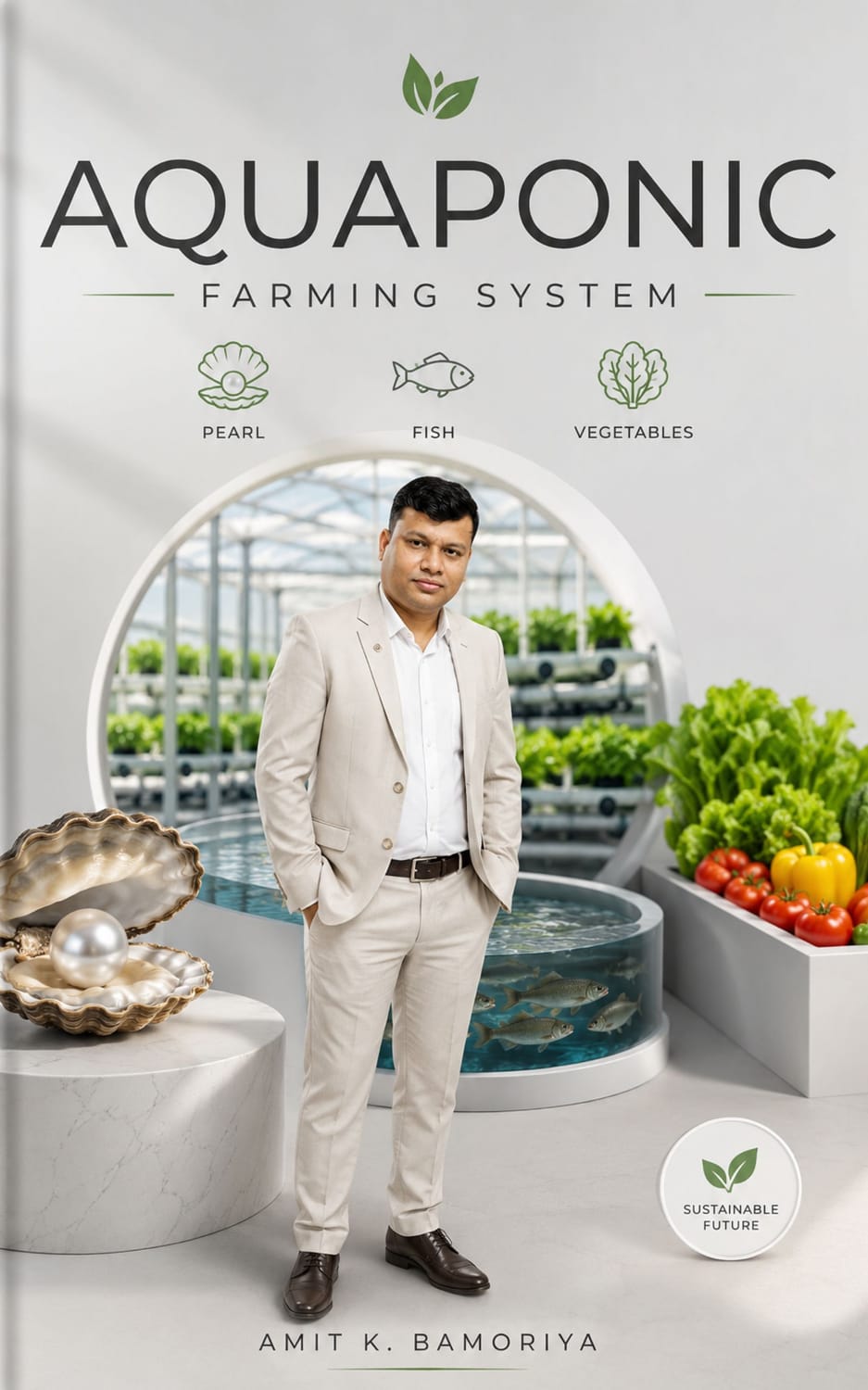
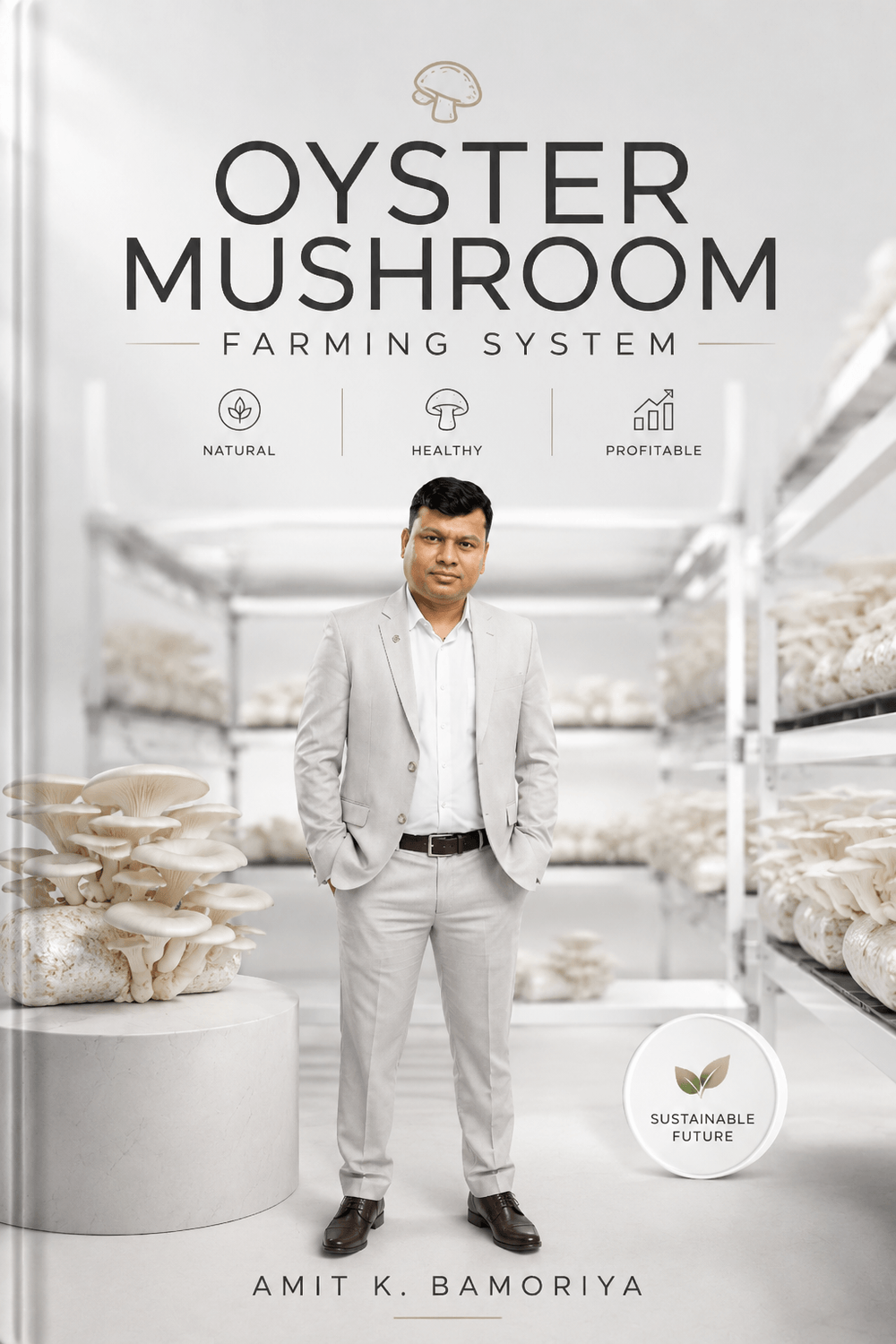


Bonus: HiTech Farmer Club Join करने पर ₹2,500+ मूल्य की Premium Amazon Farming Books FREE प्राप्त करें।

Bamoriya Pearl Farm
भारत के किसानों को मोती खेती, मशरूम खेती और आधुनिक कृषि तकनीकों के माध्यम से आत्मनिर्भर और सफल कृषि-उद्यमी बनाने का हमारा मिशन है।
📞 9893232938
📧 info@learningadda.com


Created with © systeme.io